
Many of you have asked for information
on catch and release fishing, and particularly how to release
fish caught from deep water which have blown up due to gas
expansion. This release from the Alabama Department of fish
and game in the United States provides some good tips and
helpful illustrations. I use an epidural needle, which I begged
from a doctor friend, for degassing fish. He did give me a
strange look when I asked him for it though...
WHY
CATCH AND RELEASE?
A fish is too valuable a resource
to be caught only once and a personal commitment to
conservation adds fun to fishing. Size, season, and
bag regulations often make release mandatory.
Stressed fish populations need
help to recover. The future of sportfishing is in
our hands.
MAKING THE CATCH
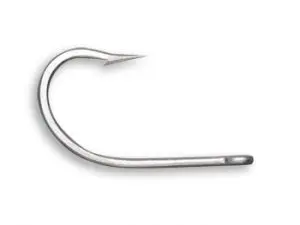
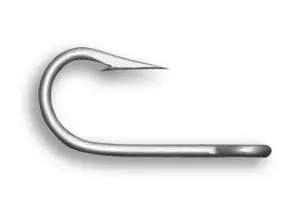
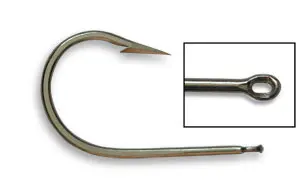
Use hooks that are barbless and made from metals
that rust quickly.
Set the hook immediately. Try to prevent a fish from
swallowing the bait.
Decide whether to release a fish as soon as it is
hooked.
Land your quarry as quickly as possible, don't play
it to exhaustion.
Work a fish out of deep water gradually, so that
it can adjust to the pressure change.
Always keep release tools handy.
HANDLING YOUR CATCH
Leave the fish in the water (if possible ) and don't
handle it. Use a tool to remove the hook or cut leader
(use extreme care with large, dangerous fish). Keep
the fish from thrashing.
Net your catch only if you cannot control it any
other way.
When you must handle a fish:
Use a wet glove or rag to hold the fish.
Turn a fish on its back or cover its eyes with a
wet towel to calm it.
Don't put your fingers in the eyes or gills of your
catch. Larger fish can be kept in the water by holding
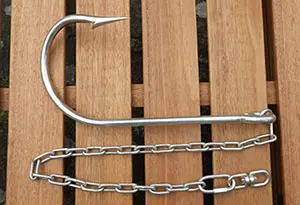
the leader with a glove or by slipping a release gaff
through the lower jaw.
Avoid removing mucous or scales. Get the fish back
in the water as quickly as possible.
Protect yourself from injury by handling each species
carefully and correctly.
REMOVING THE HOOK
Cut the leader close to the mouth if a fish has been
hooked deeply or if the hook can't be removed quickly.
Try to back the hook out the opposite way it went
in.
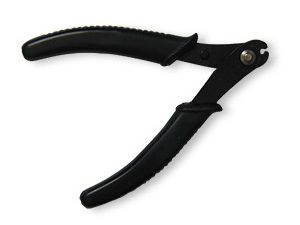
Use needle-nose pliers, hemostats, or a hookout to
work the hook and protect your hands.
For a larger fish in the water, slip a gaff around
the leader and slide it down to the hook. Lift the
gaff upward as the angler pulls downward on the leader.
Do not jerk or pop a leader to break it. This damages
vital organs and kills the fish.
BEFORE RELEASE
Use a large hypodermic needle (or similar tool )
to vent the expanded swim bladder on a fish taken
from deep water (see graphics below ).
Place the fish in the water gently, supporting its
mid-section and tail until it swims away.
Resuscitate an exhausted fish by moving it back and
forth or tow it alongside the boat to force water
through its gills.
Watch the fish to make sure it swims away. If it
doesn't, recover the fish and try again.
REMEMBER, A RELEASED FISH HAS AN EXCELLENT CHANCE
OF SURVIVAL WHEN HANDLED CAREFULLY AND CORRECTLY.
Venting trapped gases from
a fish caught from deep water
Use the largest hypodermic needle you can find (#10
or larger) and remove the plunger. Insert hypodermic
needle at a 45° angle, under a scale, near the
tip of the pectoral fin and squeeze the fish gently.
You will hear the trapped gases escaping. Make a needle
clearing tool from a piece of stainless leader wire
to clear any tissue, etc. from the needle and leave
this tool in the needle between uses. Sterilize the
needle with iodine or alcohol after use and store it
in a safe place.
Location of swim
bladder
Typical embolized condition
after retrieval from depth
Carefully
insert needle under a scale at a 45° angle and
gently squeeze. You will hear the trapped gas escape.
If deflated
stomach is still protuding from the mouth do not
attempt to push stomach back into the mouth. This
will generally take care of itself.