
-

-
BIG GAME FISHING CRIMPING TOOLS
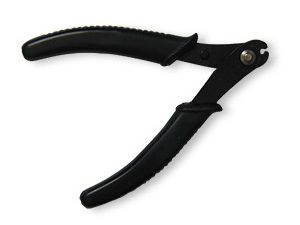
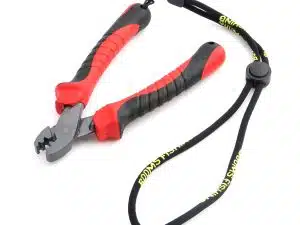
ROUND SLEEVE CRIMPING PLIERS
£13.50 Incl. UK VAT (VAT Free outside UK) Add to basket -
BIG GAME FISHING CRIMPING TOOLS
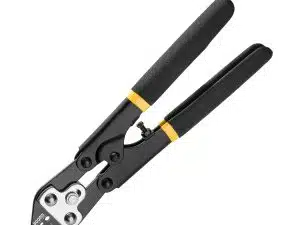
LIGHT DUTY HAND SWAGER
£22.50 Incl. UK VAT (VAT Free outside UK) Add to basket -
BIG GAME FISHING LURES
TRACKER MINI TROLLING BIRD 5″
£3.45 Incl. UK VAT (VAT Free outside UK) Select options


-
BIG GAME FISHING HOOKS
MUSTAD 7731A NEEDLE EYE SEA DEMON HOOK
£5.90 – £6.90 Incl. UK VAT (VAT Free outside UK) Select options -
 BIG GAME FISHING HOOKS
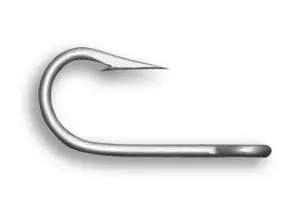
VMC 9729PS SOUTHERN & TUNA STYLE HOOK
£2.75 Incl. UK VAT (VAT Free outside UK) Add to basket -
 BIG GAME FISHING HOOKS
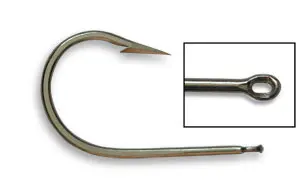
MUSTAD 7690DT NEEDLE EYE SOUTHERN & TUNA HOOK
£3.20 – £3.40 Incl. UK VAT (VAT Free outside UK) Select options -
 BIG GAME FISHING HOOKS
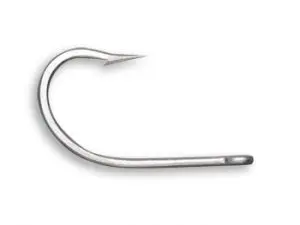
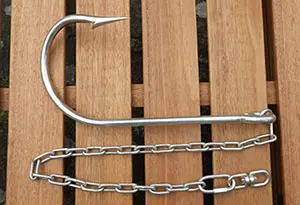
MUSTAD 4483DT SHARK HOOK WITH CHAIN
£69.95 Incl. UK VAT (VAT Free outside UK) Add to basket
-
BEST SELLERS
PRO RIGGER MAGNUM SWIVEL SLEEVES
£9.50 Incl. UK VAT (VAT Free outside UK) Select options -
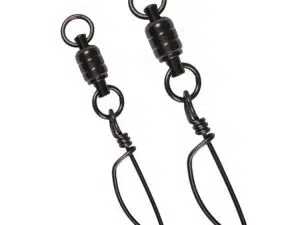
BALL BEARING SWIVELS
PRO RIGGER MAGNUM STAINLESS STEEL BALL BEARING SWIVEL WITH STAINLESS STEEL COASTLOCK SNAP
£4.95 – £7.95 Incl. UK VAT (VAT Free outside UK) Select options -
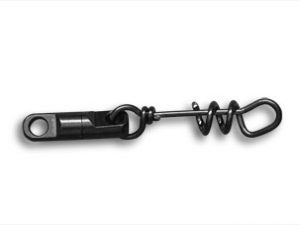
AUSSIE SWIVELS
PRO RIGGER AUSSIE SWIVEL WITH CORKSCREW SNAP
£2.00 – £2.85 Incl. UK VAT (VAT Free outside UK) Select options -
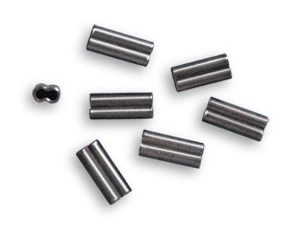
BEST SELLERS
PRO RIGGER COPPER DOUBLE BARREL SLEEVES
£3.75 – £7.25 Incl. UK VAT (VAT Free outside UK) Select options